

Canned sweet corn offers an affordable, convenient, and nutritious option that retains much of the value of fresh corn. When fresh corn is out of season, the canned version provides a reliable alternative packed with antioxidants, carbohydrates, protein, fiber, vitamins, and minerals. Canned foods also support sustainability by reducing food waste and delivering nutrition at a lower cost.
Nutritional Profile of Canned Sweet Corn
A 100-gram serving (roughly half a cup) of canned sweet corn contains approximately:
· Calories: 100 kcal. This fits easily into most daily needs, which typically range from 1,600 to 3,000 calories depending on age, activity level, and health goals.
· Fat: About 2.78 g total, with only 0.56 g saturated fat and zero cholesterol. Fat should comprise 20–35% of daily calories for most adults, so this serving contributes modestly without excess saturated fat concerns.
· Carbohydrates: Around 20 g, mainly complex carbs supported by fiber. This represents a reasonable portion of typical daily carb intake (often 130–300 g, lower for some with diabetes). The fiber content helps provide steady energy for the brain, heart, and nervous system.
· Protein: Approximately 4.44 g. While not a primary protein source, it contributes to tissue repair, muscle maintenance, bone health, and blood cell production. Adults generally aim for about 0.8 g of protein per kg of body weight.
· Fiber: 2.2 g (about 8% of daily value). This indigestible component (including cellulose) adds bulk to stool and supports smooth digestion.
· Sugar: Only 5.56 g naturally occurring sugars, comparable to other canned vegetables like beets. These natural sugars convert readily to energy.
Canned sweet corn also delivers B vitamins (folate, niacin, pantothenic acid, riboflavin, thiamin, B6), vitamin C, beta-carotene, and minerals such as phosphorus, magnesium, potassium, manganese, copper, iron, zinc, and selenium.
6 Key Health Benefits of Canned Sweet Corn
1. Supports Digestive Health Through Fiber The fiber in sweet corn promotes regular bowel movements by adding bulk and helping move waste through the intestines. It may help prevent or manage issues like constipation, irritable bowel syndrome (IBS), hemorrhoids, and diverticulitis. Higher fiber intake is also linked to a reduced risk of colorectal cancer. Introduce fiber gradually and stay hydrated to avoid temporary side effects like gas or bloating.
2. Provides Natural Sweetness and Energy With modest natural sugars, canned sweet corn delivers a pleasant taste without the drawbacks of added refined sugars. The body efficiently uses these for glucose and energy.
3. Rich in Vitamins and Minerals for Overall Wellness B vitamins aid energy production, support heart, muscle, cell, and brain function, and play roles in neurochemical synthesis. Antioxidants like vitamin C and beta-carotene help combat free radicals, potentially lowering chronic disease risk. Minerals contribute to various bodily processes, from immune support to enzyme function.
4. Promotes Eye Health Sweet corn contains lutein and zeaxanthin, phytochemicals that give kernels their yellow color. These antioxidants accumulate in the retina and help protect eye health by filtering harmful blue light and reducing oxidative stress.
5. May Aid Weight Management The fiber promotes satiety, helping you feel full longer and potentially supporting a calorie deficit. Sweet corn has a medium glycemic index (around 60), lower than many simple carbs. Combined with fiber, this can lead to more stable blood sugar, reduced insulin spikes, and better weight control. Low-to-medium GI foods are often useful for diabetes management and insulin sensitivity.
6. Contributes to Bone Health Minerals like magnesium, phosphorus, and potassium in corn support bone density. Magnesium, stored significantly in bones, may help reduce osteoporosis risk, especially post-menopause. Other minerals (iron, zinc, etc.) also play supporting roles in skeletal health.
Additional perks include convenience (long shelf life, no prep needed), affordability, and sustainability. Fresh and canned corn offer comparable nutritional benefits in many respects.
Potential Side Effects and Risks
While generally safe and nutritious, canned sweet corn has a couple of considerations:
1. High Sodium Content Canned corn can contain around 272 mg of sodium per 100 g, higher than low-sodium thresholds. Excess sodium may contribute to high blood pressure and fluid retention in sensitive individuals. Rinsing the corn under water can reduce sodium by up to 40%. Opt for low-sodium or no-salt-added varieties when possible, and balance with other low-sodium foods.
2. Rare Allergies Corn allergies exist but are uncommon. Symptoms can range from mild (hives, itching) to severe (anaphylaxis with swelling, difficulty breathing, dizziness). Those with known allergies should avoid corn products. Canned sweet corn is naturally gluten-free, making it suitable for celiac disease or gluten sensitivity.
3. Concerns About Canning (BPA) Older cans sometimes used bisphenol A (BPA), linked in some studies to potential hormone disruption and health risks. Evidence is mixed, and most modern cans are BPA-free or have very low levels deemed safe by regulators. Check labels for BPA-free options if concerned.
Moderation and variety in the diet minimize any drawbacks. People with specific conditions (e.g., kidney issues affecting mineral balance or sodium restriction) should consult a healthcare provider or dietitian.
Practical Tips for Enjoying Canned Sweet Corn
· Rinse before use — to lower sodium.
· Drain well — and pat dry for better texture in recipes.
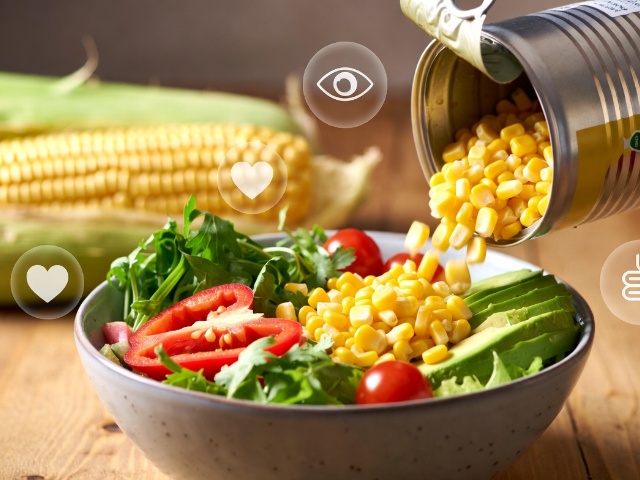
· Incorporate creatively — Add to salads, soups, stir-fries, casseroles, or salsas. Mix with beans, peppers, or herbs for a balanced side dish.
· Check labels — Choose varieties with no added sugars or minimal processing.
· Portion control — A half-cup serving fits most meals without overdoing carbs or calories.
· Storage — Unopened cans last years in a cool, dry place. Once opened, refrigerate and use within a few days.
Canned sweet corn pairs well with proteins, healthy fats, and other vegetables for nutrient-dense meals.
The Bottom Line
Canned sweet corn is a versatile, budget-friendly staple that delivers fiber for digestion, steady energy from complex carbs and natural sugars, eye-supporting antioxidants, bone-friendly minerals, and more. Its drawbacks—primarily sodium and rare allergies—are manageable with smart choices like rinsing or selecting low-sodium options.
Including it as part of a varied, balanced diet can help meet nutrition goals conveniently. Whether you're managing weight, supporting gut health, or simply seeking an easy vegetable, canned sweet corn deserves a spot in your pantry.